Maa by Sonu Nigam: When Sameer Anjaan’s Words and Raju Singh’s Melody Celebrate a Mother’s Love
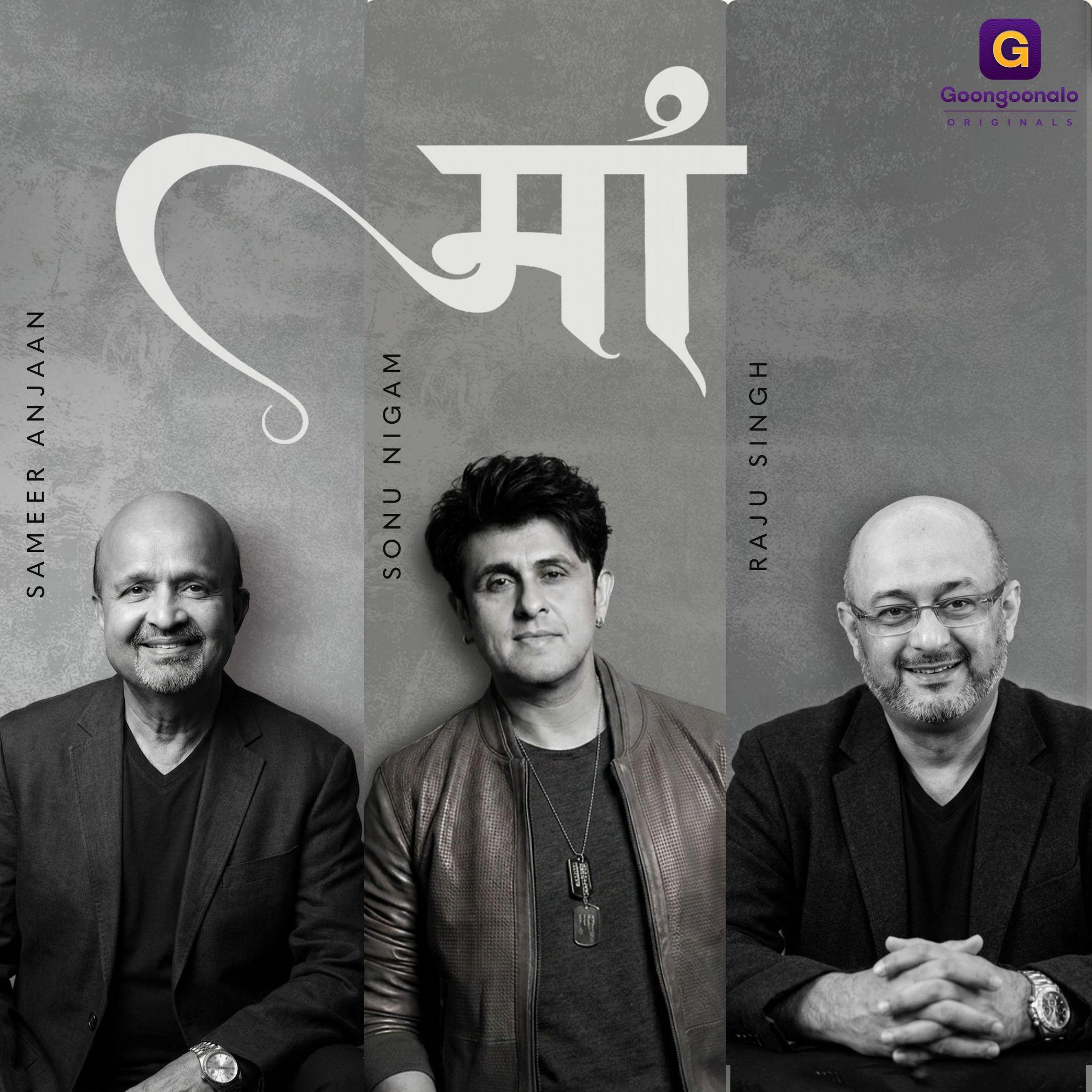
Maa, a Goongoonalo Original sung by Sonu Nigam, brings together Sameer Anjaan’s words and Raju Singh’s composition in a celebration of a mother’s love.
Some relationships become more difficult to describe the longer we live them.
A mother’s love is often one of them.
It can live in the smallest things: a phone call asking whether you have eaten, a prayer quietly said for you, the instinct to worry even when you are old enough to have children of your own. We grow older, our lives change, but somewhere in that relationship, we remain somebody’s child.
Maa, a Goongoonalo Original sung by Sonu Nigam, with lyrics by Sameer Anjaan and music composed by Raju Singh, enters this deeply familiar emotional space. Produced, mixed and mastered by Joshua Singh, the song reflects on a mother’s presence, her blessings and something we often understand more clearly with age: her value cannot really be measured.
You can also explore more of Sonu Nigam’s Goongoonalo Original work through this Instagram post featuring Sonu Nigam.
The First Love We Rarely Know How to Describe
Songs about mothers occupy a particular place in Indian music because the relationship itself carries so many layers—love, gratitude, sacrifice, memory and sometimes things that were never said.
Maa approaches that relationship through words that are direct enough to feel personal.
The song reflects on something almost universal: no matter how old a child becomes, a mother’s instinct to see that person as her child remains.
That thought becomes particularly powerful because adulthood often reverses so many relationships. Children become caregivers. Families change. Responsibilities shift.
And yet the emotional vocabulary between a mother and her child can remain remarkably unchanged.
Perhaps that is why songs about mothers can unlock memories that ordinary conversation cannot.
When Lyrics Become Personal
Sameer Anjaan’s lyrics repeatedly return to the idea of a mother’s blessings and the immeasurable value of her presence.
Rather than requiring the listener to enter an unfamiliar story, the words create space for listeners to bring their own stories into the song.
One person may remember childhood.
Another may think about a mother living in another city.
Someone else may hear the song after becoming a parent themselves and suddenly understand something their own mother once did.
And for someone who has lost their mother, the same words can carry an entirely different weight.
That ability of a song to change meaning according to the life of its listener is part of what makes music such a powerful keeper of memory.
Raju Singh, Sonu Nigam and the Space Around the Words
Raju Singh’s composition provides the musical setting for Sameer Anjaan’s words, while Sonu Nigam gives them their vocal expression.
With a song built around such an intimate relationship, the listener does not need to be told what to feel. The emotional power comes from recognising something of their own life inside it.
Sonu Nigam’s performance allows the words to remain central to that experience.
Joshua Singh produced, mixed and mastered the recording, completing the creative team behind the Goongoonalo Original. You can explore more about Joshua Singh’s creative work https://www.instagram.com/p/DZnKoksjCDg/
Together, the credits represent several different parts of how a song reaches a listener: the thought in the lyric, the composition that carries it, the voice that communicates it and the production that shapes the finished recording.
Why the Story Around a Song Matters
There was a time when discovering a song often meant discovering its world as well.
We knew who wrote it. We wondered what a lyric meant. We read album notes. We talked about composers and singers. Songs came surrounded by context.
Digital listening has made music extraordinarily accessible, but accessibility can sometimes separate a recording from the people and ideas that created it.
Goongoonalo’s Stories Behind Songs philosophy is built around restoring some of that context.
Because knowing who wrote a line can change the way we hear it.
Knowing who composed the melody can lead us towards another piece of music.
And understanding the thought surrounding a song can transform passive listening into discovery.
Maa is particularly suited to that idea because its story does not finish with the artists.
The listener completes it.
A Song Can Become a Conversation
There is another reason music about family matters.
It can help us say things we postpone saying ourselves.
We assume there will be another phone call.
Another visit.
Another birthday.
Another opportunity to say thank you.
But sometimes a song interrupts the ordinary rhythm of life long enough to make us remember.
“The story behind a song is not always only the story of how it was made. Sometimes the most important story begins when a listener recognises their own life inside it. With Maa, that story will be different for every person who hears it—and that is exactly why we want songs on Goongoonalo to create conversations, not simply plays.”
— Sherley Singh, CEO, Goongoonalo
That is also an invitation to do something very simple.
After listening to Maa, ask yourself what memory arrived first.
Was it something your mother said?
Something she cooked?
A disagreement you now understand differently?
A sacrifice you noticed only years later?
Or perhaps simply the sound of her voice?
Listen, Then Tell Her
Maa brings together Sameer Anjaan’s words (https://www.instagram.com/p/DaNRPq8Ekkv/), Raju Singh’s composition, Sonu Nigam’s voice and Joshua Singh’s production, mixing and mastering in a song centred on a relationship almost everyone understands differently.
But perhaps the most meaningful thing to do after hearing it has nothing to do with music.
Call your mother if you can.
Sit beside her.
Tell her something you assumed she already knew.
And if she is no longer here, allow the song to bring back whichever memory chooses to arrive.
Because some songs end when the music stops.
Others continue in the lives we remember.
Discover More About Maa and Its Creative Journey
The story of Maa extends beyond the finished recording. For listeners who want to explore more of the people and creative work surrounding the Goongoonalo Original, the related social content offers another way into the story.
You can explore the related Instagram Post for Maa.
For more of Sonu Nigam’s Goongoonalo Original work, explore Sonu Nigam on Goongoonalo.
Discover Maa and continue exploring the stories behind the music on Goongoonalo.
Because sometimes understanding how a song came together makes listening to it even more meaningful.
Frequently Asked Questions
1. Why is Maa by Sonu Nigam emotionally significant?
The song explores a relationship that is deeply familiar to many listeners: the bond between a mother and her child. Its themes of unconditional love, blessings, gratitude and memory can mean something different to every listener.
2. Who wrote the lyrics for Maa?
The lyrics for Maa were written by Sameer Anjaan. The words explore the emotional bond between a mother and her child, focusing on love, blessings, gratitude and memories.
3. Who composed Maa by Sonu Nigam?
Maa was composed by Raju Singh, who created the musical setting for Sameer Anjaan’s lyrics and Sonu Nigam’s vocal performance.
4. Where can I find more Sonu Nigam Goongoonalo Original content?
You can explore more of Sonu Nigam’s Goongoonalo Original work through this Instagram post.
5. What is the Stories Behind Songs philosophy at Goongoonalo?
Stories Behind Songs focuses on giving listeners greater context around music by exploring the artists, creative processes, conversations and ideas that exist behind a finished recording.